


COLIBRI PIGMENTS LLC
Amphibolite
Amphibolite
Couldn't load pickup availability
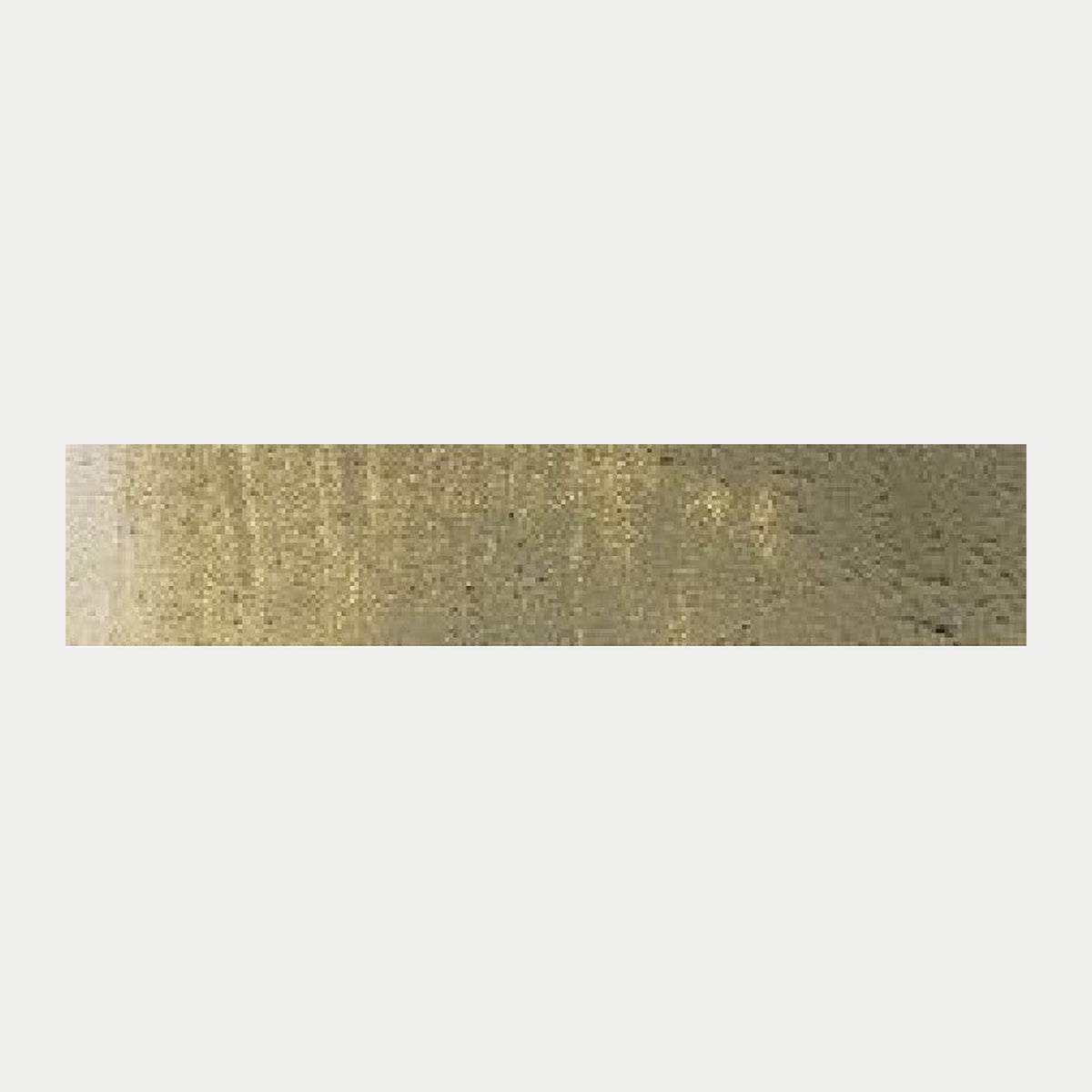
Amphibolite is a natural mineral pigment powder made by grinding amphibolite, a metamorphic rock composed mainly of amphibole (hornblende) and plagioclase feldspar. It gives a muted, grayish olive green in the green earth tradition. Lightfast and lime-proof, it suits glazes, landscape greens and underpainting in oil, egg tempera, watercolor, gouache and fresco.
Key facts
- Color: muted grayish olive green
- Pigment type: Natural mineral pigment (ground rock)
- Composition: metamorphic rock of amphiboles, mainly hornblende, (Ca,Na)2–3(Mg,Fe,Al)5(Al,Si)8O22(OH,F)2, with plagioclase feldspar
- Opacity: semi-transparent; glazing, medium hiding power (supplier data)
- Lightfastness: 8 of 8 on the Blue Wool Scale (supplier data)
- Chemical resistance: alkali 5/5, lime 5/5, acid 5/5 (supplier data, 5 = best)
- Suitable for: oil, acrylic, egg tempera, watercolor, gouache, fresco (lime)
- Packaging: 50 g jar · 1 kg bag
How to use
Mull the powder into egg yolk for tempera, gum arabic for watercolor and gouache, acrylic medium or linseed oil with a palette knife or muller. Hornblende is much harder (Mohs 5–6) than the clay minerals of green earth, so take time to disperse it evenly, but grind gently: over-grinding makes natural mineral pigments paler. Use thin layers for glazes and build coverage in several coats. It is lime-proof and suitable for fresco.
About amphibolite
Amphibolite is a dark, dense metamorphic rock that typically forms when basalt and similar igneous rocks are metamorphosed. Its main minerals are amphiboles, above all hornblende, which gives the rock its green, together with plagioclase feldspar; it contains little or no quartz. The stone is used for building and paving, and early Neolithic farmers in central Europe favored it for adzes.
Safety
Handle dry pigment with care: avoid breathing the dust and contact with eyes. Wear a dust mask (FFP2/N95) and gloves when working with the powder, work in a well-ventilated area and wipe up spills with a damp cloth. Do not eat, drink or smoke while working; wash your hands afterwards. Keep away from children and pets. For artistic and technical use only — not for cosmetics, food or tattoos.
FAQ
Is amphibolite the same as green earth?
Not quite. Classic green earths are celadonite or glauconite clays; amphibolite is a ground metamorphic rock whose green comes mainly from hornblende. It is used the same way: for muted greens, glazes and underpainting.
Can it be used in fresco?
Yes. The supplier rates it 5 of 5 for lime and alkali resistance and lists it for fresco.
Is it lightfast?
Yes: 8 of 8 on the Blue Wool Scale (supplier data).
Shipping & Returns
Shipping & Returns


More experience
If you need other volumes of pigments, please contact us for an individual cost calculation.