


COLIBRI PIGMENTS LLC
Cobalt cornflower blue
Cobalt cornflower blue
Couldn't load pickup availability
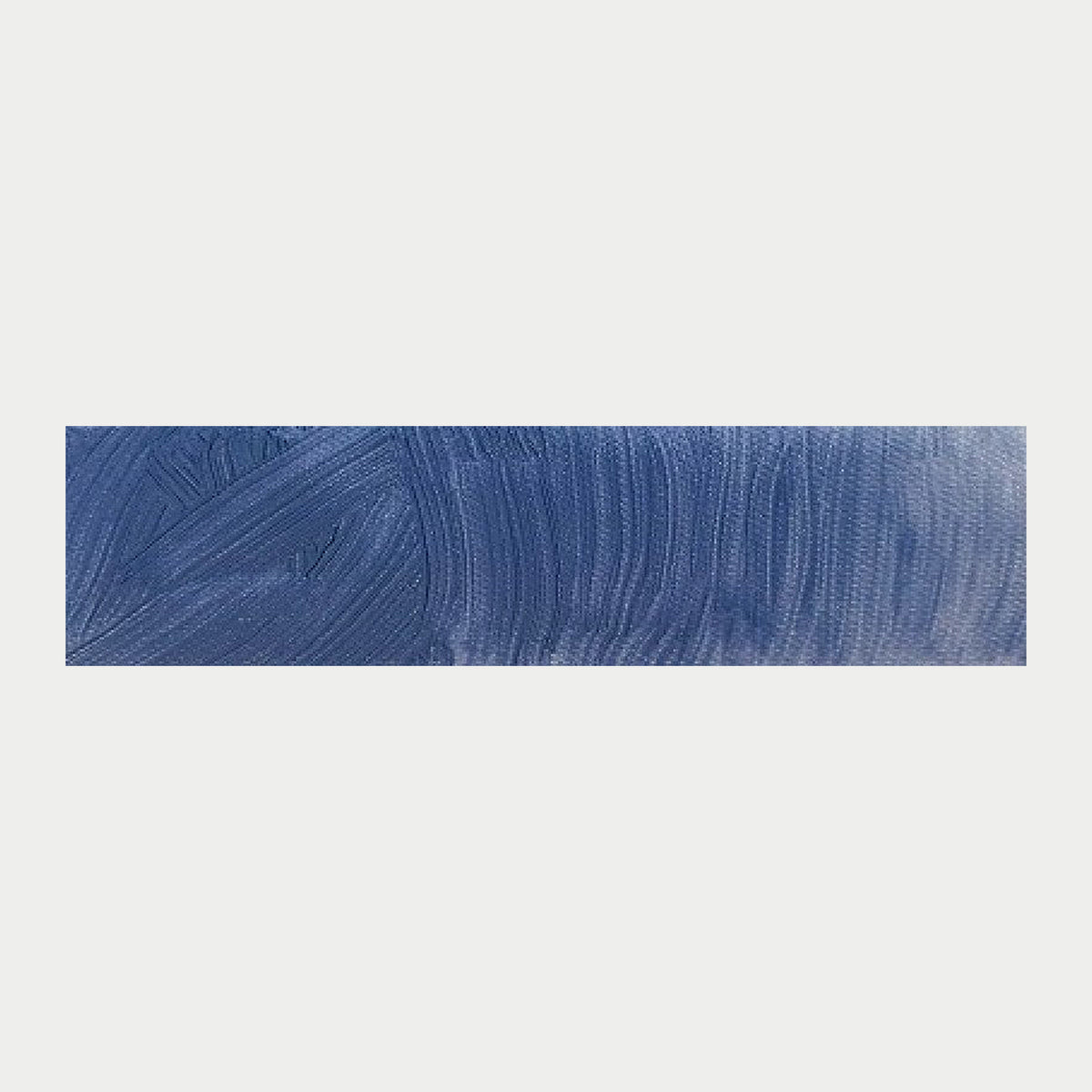
Cobalt cornflower blue is a synthetic inorganic pigment powder, cobalt aluminate modified with zinc and magnesium, (Co,Zn,Mg)Al2O4. It gives a soft, light cornflower blue that is semi-transparent, lightfast and resistant to acids, alkalis and lime, for watercolor, gouache, tempera, acrylic, oil and fresco.
Key facts
- Color: soft, light cornflower blue
- Pigment type: Synthetic inorganic pigment (cobalt aluminate spinel)
- Colour Index: PB28 (C.I. 77346)
- Composition: cobalt zinc magnesium aluminate, (Co,Zn,Mg)Al2O4
- Origin: synthetic
- Opacity: semi-transparent
- Lightfastness: 8 of 8 on the Blue Wool Scale (supplier data)
- Chemical resistance: alkali 5/5, lime 5/5, acid 5/5 (supplier data, 5 = best)
- Suitable for: oil, acrylic, egg tempera, watercolor, gouache, fresco (lime)
- Packaging: 50 g jar · 1 kg bag
How to use
Mull it with a palette knife or muller into gum arabic, egg yolk, acrylic medium or linseed oil. Like other cobalt blues it has modest tinting strength, so use it generously, and grind it gently, because over-grinding dulls cobalt blues. It gives soft, light blues on its own and is useful for skies and cool tints. It is lime-resistant and also listed for silicate binders. Store dry in a closed jar.
About cobalt cornflower blue
Cobalt blue pigments are made by calcining cobalt and aluminum oxides at high temperature, which forms a very stable spinel crystal. Small additions of zinc, magnesium, lithium or titanium oxides shift the shade within the same Colour Index family, PB28; in this grade zinc and magnesium give a lighter, softer blue than our Cobalt blue. The first cobalt aluminate blue was made by Louis Jacques Thénard in 1802.
Safety
Contains cobalt compounds: may cause allergic skin or respiratory reactions; harmful if inhaled. Handle dry pigment with care: avoid breathing the dust and contact with eyes. Wear a dust mask (FFP2/N95) and gloves when working with the powder, work in a well-ventilated area and wipe up spills with a damp cloth. Do not eat, drink or smoke while working; wash your hands afterwards. Keep away from children and pets. For artistic and technical use only — not for cosmetics, food or tattoos.
FAQ
How is Cobalt cornflower blue different from Cobalt blue?
Both are cobalt aluminate (PB28). Cornflower blue is modified with zinc and magnesium, which makes it lighter and softer; our Cobalt blue is a deeper, brighter blue.
Can I use it in fresco?
Yes. Our supplier rates it 5 of 5 for lime and alkali resistance and lists it for fresco and silicate binders.
Shipping & Returns
Shipping & Returns


More experience
If you need other volumes of pigments, please contact us for an individual cost calculation.