


COLIBRI PIGMENTS LLC
Mars sand
Mars sand
Couldn't load pickup availability
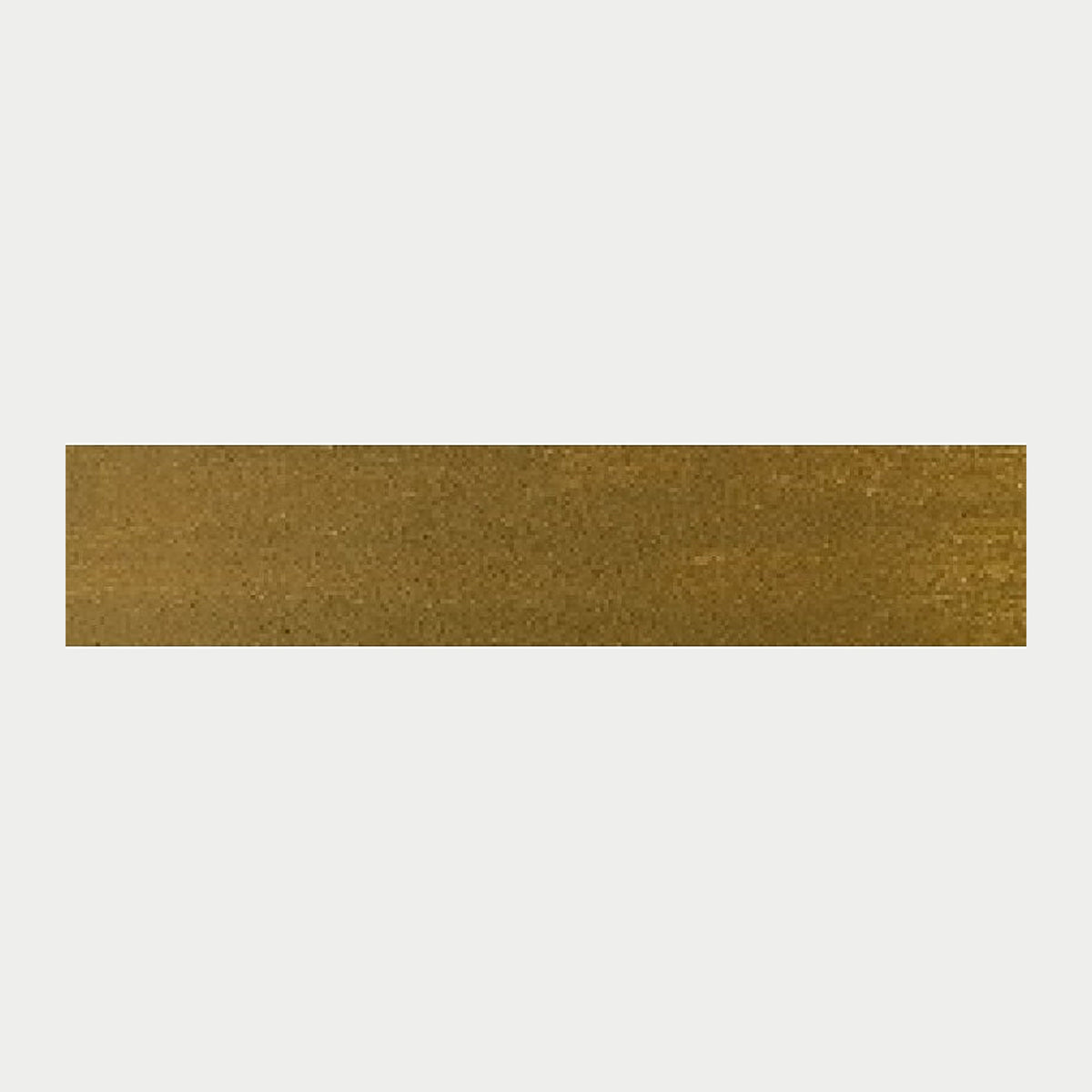
Mars sand is a synthetic iron oxide pigment powder (PY42) in a muted, sandy ochre yellow, duller and darker than our Mars yellow. It is opaque, lightfast and lime-proof: a practical color for sand, stone and earth tones in oil, acrylic, tempera, watercolor and fresco, and for tinting lime or cement plaster.
Key facts
- Color: muted sandy yellow (dull ochre)
- Pigment type: Synthetic inorganic pigment (iron oxide)
- Colour Index: PY42 (C.I. 77492)
- Composition: synthetic yellow iron oxide, FeO(OH)
- Origin: synthetic
- Opacity: opaque
- Lightfastness: 8 of 8 on the Blue Wool Scale (supplier data)
- Chemical resistance: alkali 5/5, lime 5/5 (supplier data, 5 = best); stable in weak acids, dissolved by strong mineral acids
- Suitable for: oil, acrylic, egg tempera, watercolor, gouache, fresco (lime), lime and cement plaster
- Not recommended for: ceramics or heating above about 180 °C: it loses water and reddens
- Packaging: 25 g jar · 1 kg bag
How to use
Mix the powder into linseed oil, egg yolk, gum arabic or acrylic medium with a palette knife or muller; for fresco, grind it in water and paint into fresh lime plaster. To tint lime plaster, limewash or cement, first stir the powder into a little water, then add it to the mix, and test a sample before coloring a large area. It covers well and, like other iron oxides, dries well in oil.
About Mars sand
Synthetic iron oxides come in many shades, because their color depends on the size and shape of the particles. Mars colors were first sold under that trade name in the late 18th century and are named after Mars, the alchemists' name for iron. Being lime-proof, iron oxides are used for fresco painting and to color limewash and cement.
Safety
Handle dry pigment with care: avoid breathing the dust and contact with eyes. Wear a dust mask (FFP2/N95) and gloves when working with the powder, work in a well-ventilated area and wipe up spills with a damp cloth. Do not eat, drink or smoke while working; wash your hands afterwards. Keep away from children and pets. For artistic and technical use only — not for cosmetics, food or tattoos.
FAQ
How is Mars sand different from Mars yellow?
Both are synthetic yellow iron oxide, PY42. Mars sand is a duller, darker sandy shade; Mars yellow is a cleaner ochre yellow.
Can I color plaster or cement with it?
Yes. The supplier rates its lime and alkali resistance 5 of 5. Test a sample first, since the final color depends on the base and the amount of pigment.
Is Mars sand a natural pigment?
No. It is a synthetic iron oxide; for natural yellow earths, see our ochres.
Shipping & Returns
Shipping & Returns


More experience
If you need other volumes of pigments, please contact us for an individual cost calculation.