


COLIBRI PIGMENTS LLC
Perylene Burgundy
Perylene Burgundy
Couldn't load pickup availability
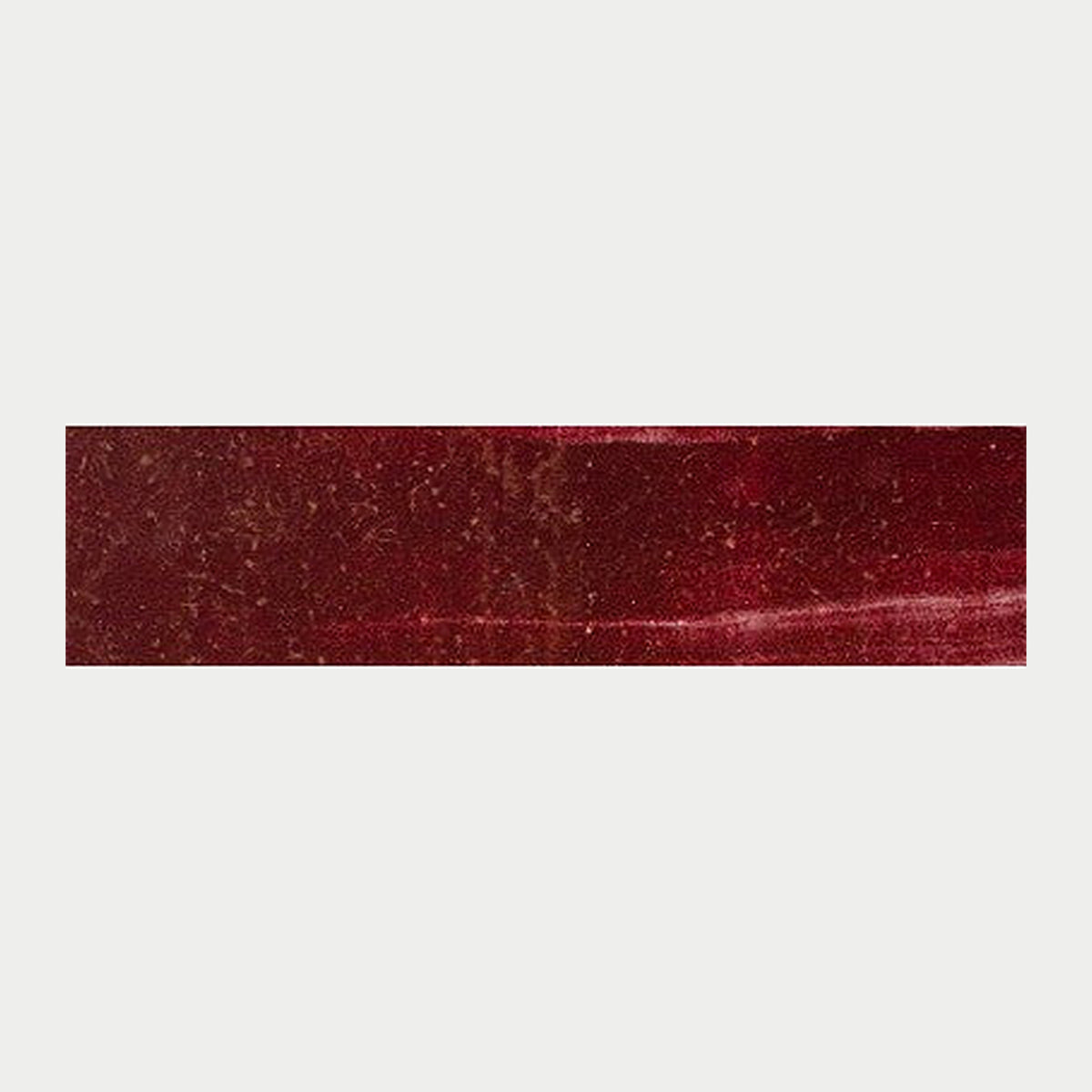
Perylene Burgundy is a synthetic organic pigment powder, perylene maroon (PR179): a deep, slightly muted burgundy red. It is very lightfast, strongly staining and intense, and is often used as a modern substitute for alizarin crimson in oil, acrylic, egg tempera, watercolor, gouache and fresco.
Key facts
- Color: deep burgundy (dull violet-red)
- Pigment type: Synthetic organic pigment (perylene)
- Colour Index: PR179 (C.I. 71130)
- Composition: N,N′-dimethyl perylene diimide, C26H14N2O4
- Origin: synthetic
- Also known as: perylene maroon, perylene bordeaux
- Opacity: semi-transparent
- Lightfastness: 8 of 8 on the Blue Wool Scale (supplier data)
- Chemical resistance: alkali 5/5, lime 5/5, acid 4/5 (supplier data, 5 = best)
- Suitable for: oil, acrylic, egg tempera, watercolor, gouache, fresco (lime)
- Packaging: 25 g jar · 1 kg bag
How to use
Wet the light powder with a few drops of binder, then mull it into linseed oil, acrylic medium, egg yolk or gum arabic with a muller or palette knife until smooth. Perylene maroon is strongly staining with high tinting strength, so add it to mixtures little by little. Thin layers give deep, transparent burgundy glazes for shadows and rich reds. Keep the jar closed: organic pigment powders are light and spread easily.
About perylene burgundy
Perylene dyes, a group of red and violet synthetic vat dyes, were discovered around 1912, and perylene has been used as an artists' pigment since 1957. Perylene maroon is made from perylene tetracarboxylic dianhydride and methylamine. Although it is sometimes sold as "anthraquinone" or "alizarin", it is a different compound from alizarin, the madder dye first synthesized by Graebe and Liebermann in 1868.
Safety
Handle dry pigment with care: avoid breathing the dust and contact with eyes. Wear a dust mask (FFP2/N95) and gloves when working with the powder, work in a well-ventilated area and wipe up spills with a damp cloth. Do not eat, drink or smoke while working; wash your hands afterwards. Keep away from children and pets. For artistic and technical use only — not for cosmetics, food or tattoos.
FAQ
Is Perylene Burgundy the same as alizarin crimson?
No. Alizarin is a dihydroxyanthraquinone, originally the dye of madder root; Perylene Burgundy is a perylene pigment (PR179). It is often used as a substitute for alizarin crimson, though not the exact shade.
Is Perylene Burgundy lightfast?
Yes. Our supplier rates it 8 of 8 on the Blue Wool Scale, and references rate PR179 ASTM I (excellent).
Shipping & Returns
Shipping & Returns



More experience
If you need other volumes of pigments, please contact us for an individual cost calculation.