


COLIBRI PIGMENTS LLC
Quinacridone magenta
Quinacridone magenta
Couldn't load pickup availability
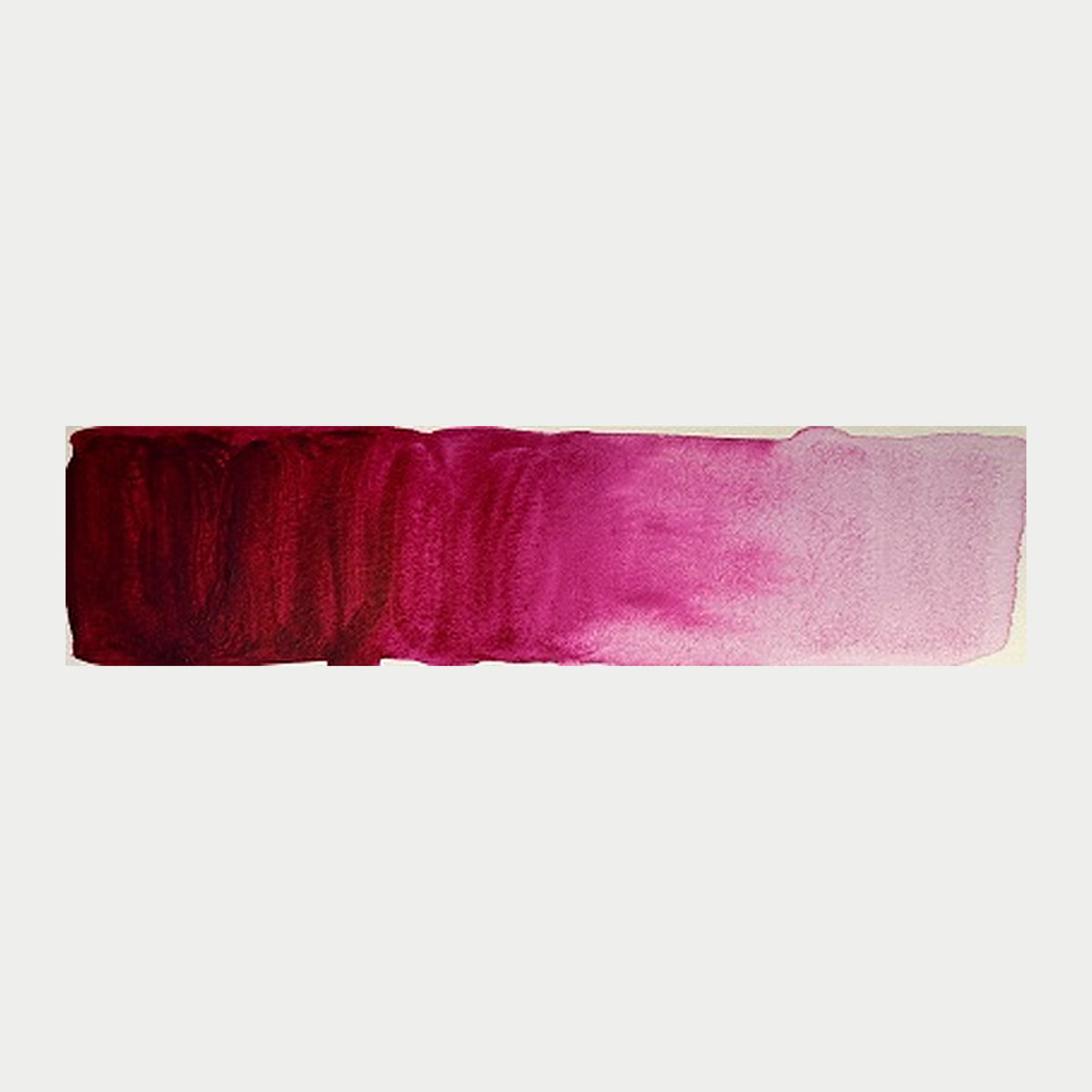
Quinacridone magenta is a synthetic organic pigment powder, 2,9-dimethylquinacridone (PR122): a clean, bright bluish pink. It is a highly lightfast, intense magenta for mixing clean pinks and violets, used in oil, acrylic, egg tempera, watercolor, gouache and fresco. A small amount goes a long way.
Key facts
- Color: clean, bright bluish pink (magenta)
- Pigment type: Synthetic organic pigment (quinacridone)
- Colour Index: PR122 (C.I. 73915)
- Composition: 2,9-dimethylquinacridone, C22H16N2O2
- Origin: synthetic
- Opacity: semi-transparent
- Lightfastness: 8 of 8 on the Blue Wool Scale (supplier data)
- Chemical resistance: alkali 5/5, lime 5/5, acid 5/5 (supplier data, 5 = best)
- Suitable for: oil, acrylic, egg tempera, watercolor, gouache, fresco (lime)
- Packaging: 15 g jar · 1 kg bag
How to use
Quinacridone is a fine, light and dusty organic powder with high tinting strength. Wet it first with a few drops of binder, then mull it into linseed oil, acrylic medium, egg yolk or gum arabic with a muller or palette knife until smooth. Thin layers give transparent glazes; with white it makes clean, cool pinks, and with blue it gives clear violets. Add it to mixtures little by little and keep the jar closed.
About quinacridone magenta
Quinacridones are synthetic organic pigments first sold by DuPont in 1958. They are known for exceptional color and weather fastness, which is why they are widely used in car and industrial coatings, and quinacridone dispersions are the most common magenta printing ink. In artists' paints these more light-resistant pigments largely replaced alizarin.
Safety
Handle dry pigment with care: avoid breathing the dust and contact with eyes. Wear a dust mask (FFP2/N95) and gloves when working with the powder, work in a well-ventilated area and wipe up spills with a damp cloth. Do not eat, drink or smoke while working; wash your hands afterwards. Keep away from children and pets. For artistic and technical use only — not for cosmetics, food or tattoos.
FAQ
Is quinacridone magenta lightfast?
Yes. Our supplier rates it 8 of 8 on the Blue Wool Scale, and references rate PR122 ASTM I (excellent) in oil and acrylic.
Is it a natural or a synthetic pigment?
Synthetic. It is a modern organic pigment (PR122), not a plant or insect dye such as madder or carmine.
Can I use it in fresco?
Yes, according to our supplier, which rates it 5 of 5 for lime and alkali resistance.
Shipping & Returns
Shipping & Returns


More experience
If you need other volumes of pigments, please contact us for an individual cost calculation.