


COLIBRI PIGMENTS LLC
Van Dyke brown
Van Dyke brown
Couldn't load pickup availability
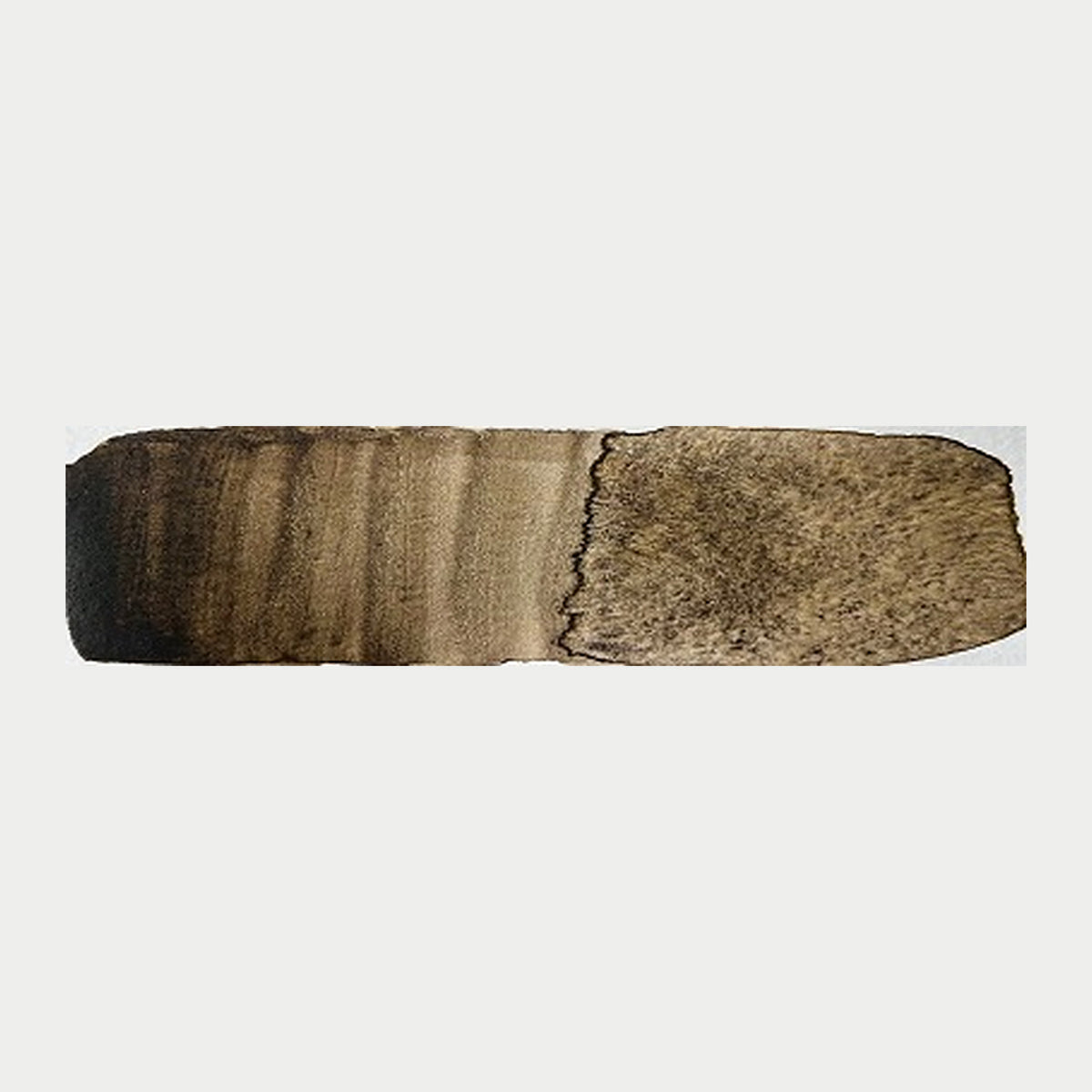
Van Dyke brown is a natural brown earth pigment, also called Cassel earth: a humus-rich organic earth combined with iron oxide. It gives a deep, glazing brown for oil, acrylic, egg tempera, watercolor and gouache. Because part of it is organic, it is less lightfast than purely mineral earths and is not lime-proof.
Key facts
- Color: deep brown; the dry powder looks paler and grayer
- Pigment type: Natural earth pigment (organic-rich)
- Colour Index: NBr8 (C.I. 77727)
- Composition: humic organic matter with iron oxide-hydroxide (goethite) and quartz; supplier analysis: quartz 35.3%, goethite 26.8%, organic carbon 34.5%
- Also known as: Cassel earth, Cologne earth
- Opacity: semi-transparent (glazing)
- Lightfastness: 7 of 8 on the Blue Wool Scale (supplier data); its organic part can fade in strong light
- Chemical resistance: acid 5/5 (supplier data); reacts with alkalis, so it is not lime-proof
- Suitable for: oil, acrylic, egg tempera, watercolor, gouache
- Not recommended for: fresco, lime and cement plaster (alkalis attack its humic part); ceramics (the organic part burns out)
- Packaging: 25 g jar · 1 kg bag
How to use
Mull it with linseed oil for glazes: it absorbs a lot of oil and dries slowly, so work in thin layers and allow ample drying time. For watercolor and gouache mix it with gum arabic, for tempera with egg yolk, or stir it into acrylic medium. Avoid alkaline materials such as lime or soda, which dissolve its humic part, and do not heat it above about 150 °C (supplier).
About Van Dyke brown
The pigment is named after the Flemish painter Anthony van Dyck, although technical studies have not found it in his paintings. Earths of this kind come from deposits near Cologne and Kassel in Germany and have been used since the Renaissance; in the 19th century Van Dyke brown was common in oil and watercolor and also became a wood stain. Many modern tube colors of this name are mixtures of iron oxide and black.
Safety
Natural earths can contain crystalline silica, and this one contains about 35% quartz: avoid breathing the dust. Handle dry pigment with care: avoid breathing the dust and contact with eyes. Wear a dust mask (FFP2/N95) and gloves when working with the powder, work in a well-ventilated area and wipe up spills with a damp cloth. Do not eat, drink or smoke while working; wash your hands afterwards. Keep away from children and pets. For artistic and technical use only — not for cosmetics, food or tattoos.
FAQ
Is Van Dyke brown lightfast?
Only moderately. The supplier rates this grade 7 of 8 on the Blue Wool Scale, but the organic part of Cassel earth can fade in strong light, so keep finished work out of direct sun.
Can I use it in fresco?
No. Its humic acids react with alkalis, so lime and cement are not suitable. For fresco, use umbers or other mineral earths.
Shipping & Returns
Shipping & Returns


More experience
If you need other volumes of pigments, please contact us for an individual cost calculation.